

Asturias in autumn: a getaway to feed the senses
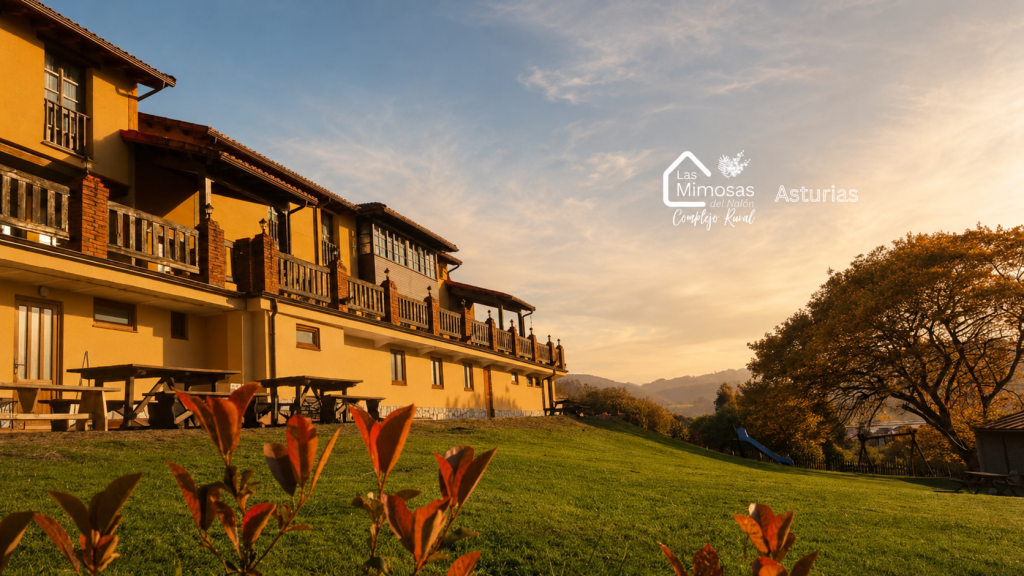
Asturias en otoño, es mágica. Nosotros creemos que es entonces cuando empieza una de sus épocas más especiales. El otoño devuelve la calma a los caminos, deja más espacio en los pueblos marineros y transforma la costa con una luz diferente. Los verdes se mezclan con ocres y dorados, el Cantábrico recupera su carácter y apetece volver al apartamento después de caminar, sentarse junto a la ventana y preparar algo caliente. Es una estación para viajar sin prisa. Para escuchar el mar. Para oler el bosque después de la lluvia. Para saborear un plato de cuchara. Para mirar cómo cambia la luz sobre la desembocadura del Nalón. En Las Mimosas del Nalón lo resumimos con nuestra forma de entender la hospitalidad: Alimenta los sentidos. Si buscas una escapada de otoño en Asturias, te proponemos descubrirla desde San Juan de la Arena, en un punto privilegiado de la costa central y muy cerca de Cudillero, Avilés, San Esteban de Pravia, Cabo Vidio y algunas de las playas más impresionantes del litoral asturiano. CONSULTAR DISPONIBILIDAD EN LAS MIMOSAS ¿Por qué merece la pena visitar Asturias en otoño? Asturias no necesita cielos completamente azules para ser bonita. En otoño, las nubes, la humedad y los claros de luz forman parte del paisaje. Un mismo día puede comenzar con niebla sobre el río, abrirse al mediodía y terminar con un atardecer limpio sobre Los Quebrantos. Viajar entre mediados de septiembre y diciembre tiene varias ventajas: El secreto no es intentar hacer demasiadas cosas. Es elegir bien y dejar tiempo para disfrutar de cada lugar. Si quieres situarte antes de organizar el viaje, consulta nuestra guía de la costa central de Asturias. El otoño en Asturias a través de los cinco sentidos Mirar La luz del otoño cambia el paisaje. Las laderas adquieren tonos más cálidos, las nubes proyectan sombras sobre el mar y cada claro ilumina una parte distinta de la ría. Desde los jardines y apartamentos de Las Mimosas puedes contemplar el Nalón, las montañas y el Cantábrico sin necesidad de empezar el día corriendo. Escuchar El mar suena diferente cuando termina el verano. Pasear por la Playa de Los Quebrantos permite escuchar las olas, el viento y las aves con mucha más claridad. En los bosques, la lluvia sobre las hojas crea ese silencio lleno de pequeños sonidos que solo aparece cuando caminamos despacio. Oler La tierra mojada, la madera, las hojas, el salitre y el café de la mañana. El otoño tiene aromas que nos devuelven inmediatamente al lugar en el que estamos. Saborear Es tiempo de setas, castañas, fabada, potes, quesos, pescados del Cantábrico y sidra. La gastronomía no es un complemento del viaje: es otra manera de comprender Asturias. Sentir Sentir también es descansar. Volver después de una ruta, quitarse las botas, abrir la ventana y reconocer que ese rato sin agenda forma parte de las vacaciones. Qué hacer en la costa central de Asturias en otoño 1. Pasear por San Juan de la Arena y Los Quebrantos San Juan de la Arena conserva la vida de un pueblo vinculado al mar y a la desembocadura del Nalón. Su paseo, el puerto y la cercanía de la playa permiten empezar a descubrir el entorno sin coger el coche. Los Quebrantos es una playa extensa y abierta al Cantábrico. En otoño invita a caminar, observar el oleaje y disfrutar de atardeceres que cambian cada día. Desde Las Mimosas se puede llegar dando un paseo. Para conocer mejor nuestro hogar, lee San Juan de la Arena y el Bajo Nalón: donde Asturias alimenta tus sentidos. 2. Recorrer la Senda de los Miradores La Senda de los Miradores reúne muchos de los elementos que buscamos en una ruta asturiana: bosque, acantilados, pequeñas playas y perspectivas abiertas sobre el mar. Después del 15 de septiembre ya no se realiza el cruce turístico en La Carmela, pero la senda continúa siendo accesible desde San Esteban de Pravia. Antes de salir conviene revisar la previsión, llevar calzado con buena adherencia y adaptar el recorrido a las horas de luz. No repetimos aquí todas las indicaciones porque ya hemos preparado una guía específica de la Senda de los Miradores con sus puntos principales. 3. Descubrir Cudillero sin las prisas del verano Cudillero es uno de los pueblos marineros más conocidos de Asturias, pero en otoño se disfruta de otra manera. Se puede caminar por sus calles, subir a los miradores y detenerse a comer con más tranquilidad. Desde allí, la ruta puede continuar hacia Cabo Vidio y la Playa del Silencio. El estado del mar y del terreno debe marcar siempre la visita: contemplar la playa desde arriba también puede ser una experiencia extraordinaria y evita bajar si el acceso está húmedo o resbaladizo. Consulta nuestro recorrido completo por Cudillero, Cabo Vidio y la Playa del Silencio. 4. Observar aves en la desembocadura del Nalón El Bajo Nalón es un lugar especialmente interesante durante las migraciones. Garzas, cormoranes, espátulas y otras especies utilizan el estuario como zona de alimentación o descanso. No hace falta ser especialista ni llevar un gran equipo. Unos prismáticos, cierta distancia y paciencia son suficientes para convertir un paseo en una experiencia diferente. La observación respetuosa —sin acercarse, perseguir ni alterar a las aves— permite disfrutar mucho más del entorno. 5. Conocer Avilés y Salinas Avilés es un magnífico plan de otoño y una opción especialmente cómoda cuando el tiempo no acompaña para realizar una ruta larga. Su casco histórico, los soportales, la calle Galiana, el Mercado de Abastos y el Centro Niemeyer permiten combinar patrimonio, cultura y gastronomía. Si el día abre, puedes completar la excursión con un paseo por Salinas y su extensa playa. 6. Caminar por la Ruta de las Trincheras de Ranón Muy cerca de Las Mimosas se conserva un conjunto de posiciones defensivas vinculadas a la Guerra Civil. La ruta combina historia, costa y excelentes vistas sobre Los Quebrantos y el Playón de Bayas. Puedes ampliar la información en nuestra guía de la Ruta de las
Covadonga and the Santina of Asturias: guide to visiting the Holy Cave and the Basilica
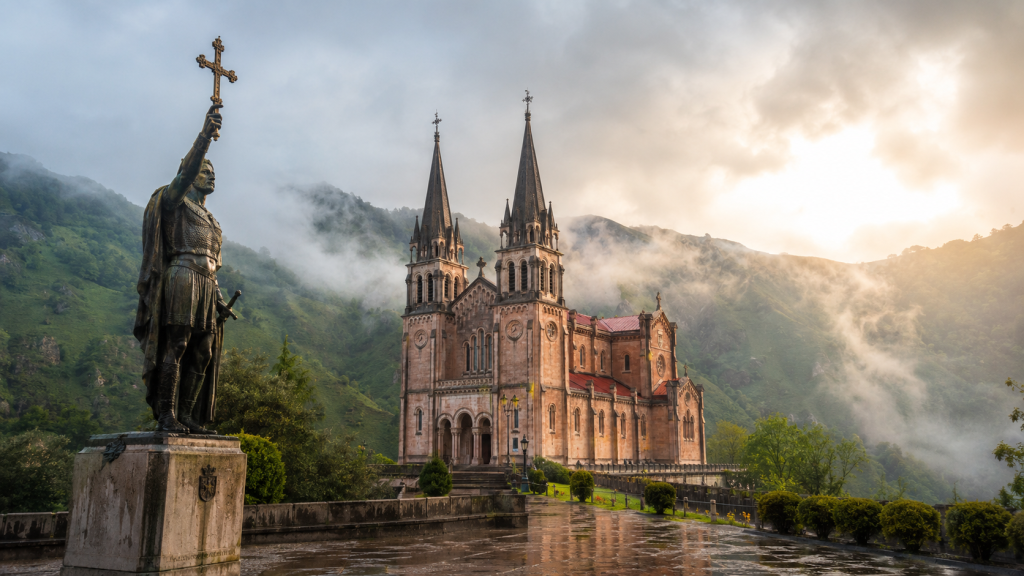
Covadonga es de los lugares que se sienten y se recuerdan para siempre. La roca húmeda del monte Auseva, el sonido del agua bajo la cueva, el color rosado de la Basílica entre el verde, las campanas y el silencio de quienes se acercan a ver a la Santina crean una atmósfera difícil de explicar con una fotografía. Para los asturianos, Covadonga es mucho más que un destino turístico. Es historia, tradición, identidad y emoción. Para quien visita Asturias por primera vez, es uno de esos lugares que ayudan a comprender la tierra que está descubriendo. En esta guía te contamos qué ver en Covadonga, cómo visitar la Santa Cueva, qué detalles observar en la Basílica de Santa María la Real, quién fue Don Pelayo y qué representa su conocida estatua. También te proponemos una forma de organizar la excursión desde Las Mimosas del Nalón, en San Juan de la Arena. Visitar Covadonga Nos encontramos aproximadamente a una hora y quince minutos en coche de Covadonga. No somos el alojamiento más cercano al Santuario y preferimos decírtelo con claridad. Somos algo diferente: una casa tranquila en la costa central desde la que puedes dedicar un día al oriente, regresar al mar al atardecer y seguir descubriendo, durante la misma estancia, el centro y el occidente de Asturias. Porque conocer Asturias no consiste en correr de un lugar imprescindible a otro. Consiste en mirar, escuchar, saborear y dejar espacio para lo inesperado. Eso es, para nosotros, Alimenta los sentidos. Covadonga: el corazón espiritual e histórico de Asturias Covadonga —Cuadonga en asturiano— se encuentra en el concejo de Cangas de Onís, a los pies de los Picos de Europa. Su paisaje está estrechamente unido a la historia del Reino de Asturias, a la figura de Pelayo y a la devoción por la Virgen de Covadonga, conocida cariñosamente como la Santina. La tradición sitúa en este entorno la batalla de Covadonga del año 722. Más allá de las interpretaciones históricas y de las leyendas construidas con el paso de los siglos, aquel episodio quedó unido al nacimiento del Reino de Asturias y convirtió el monte Auseva en uno de los escenarios simbólicos más importantes de nuestra historia. Pero Covadonga no exige una mirada religiosa para emocionar. Quien llega atraído por el paisaje, la arquitectura o la historia encuentra también un espacio singular: una cueva natural transformada en santuario, una basílica que parece emerger de la montaña y un conjunto patrimonial rodeado de agua, bosque y roca. Nuestro consejo es sencillo: no visites Covadonga como una parada rápida antes de subir a los Lagos. Reserva tiempo para caminar, entrar en silencio en la cueva, observar la Basílica desde diferentes perspectivas y dejar que el lugar marque el ritmo. La Santa Cueva de Covadonga y la visita a la Santina La Santa Cueva de Covadonga es el centro espiritual del Real Sitio y el lugar que más emoción despierta entre peregrinos, asturianos y viajeros. La cavidad se abre de forma natural en la roca del monte Auseva. En su interior se encuentra la pequeña capilla donde se venera a la Virgen de Covadonga. La imagen, rodeada por la piedra y abierta al paisaje, conserva una cercanía muy distinta de la que se siente en un gran templo. Puedes llegar a la cueva por el acceso del túnel o subir por la tradicional Escalera de las Promesas, utilizada por muchos devotos como parte de sus promesas y peregrinaciones. Si viajas con una persona con movilidad reducida, conviene revisar antes de la visita las condiciones de accesibilidad del conjunto y solicitar información al Santuario. Al entrar, intenta detenerte unos minutos. Observa la luz, el altar y la montaña que enmarca la capilla. Escucha el agua y las campanas. Incluso en los días de mayor afluencia, Covadonga guarda pequeños momentos de silencio. ¿Quién es la Santina de Asturias? La Virgen de Covadonga es la patrona de Asturias y recibe el nombre de Santina como una forma profundamente asturiana de cariño. El diminutivo no reduce su importancia: expresa cercanía, afecto y pertenencia. La imagen que vemos actualmente no es la primitiva. Un incendio destruyó en 1777 la antigua talla y buena parte de los bienes de la cueva. En 1778, el Cabildo de la Catedral de Oviedo donó la imagen que hoy se venera en Covadonga, una talla del siglo XVI que representa a la Virgen erguida con el Niño Jesús en su brazo izquierdo. La Santina luce mantos de diferentes colores a lo largo del año. Posee más de medio centenar, donados por personas e instituciones en distintos momentos de la historia. Sus coronas fueron ofrecidas por los asturianos con motivo de la coronación canónica de la Virgen y el Niño, celebrada en 1918. Cada 8 de septiembre se celebra la festividad de la Virgen de Covadonga y el Día de Asturias. Es una jornada especialmente emotiva y también una de las de mayor afluencia, por lo que, si buscas una visita tranquila, es mejor elegir otra fecha. El sepulcro de Don Pelayo en la Santa Cueva Antes de llegar a la imagen de la Virgen, en la pared lateral derecha, encontrarás el sepulcro atribuido a Don Pelayo. Según la tradición, Pelayo fue enterrado inicialmente en la iglesia de Santa Eulalia de Abamia y sus restos fueron trasladados siglos después a la Santa Cueva. En la cueva también se encuentra el sepulcro de Alfonso I y su esposa Ermesinda, hija de Pelayo. Esta presencia funeraria refuerza la unión entre el santuario, los orígenes de la monarquía asturiana y la historia de Cangas de Onís, considerada la primera capital del Reino de Asturias. Es importante hablar de Covadonga diferenciando la documentación histórica de las tradiciones transmitidas durante siglos. Esa mezcla de hechos, memoria y leyenda forma parte precisamente de la fuerza simbólica del lugar. Qué ver bajo la Santa Cueva: el Pozón y la Fuente de los Siete Caños Cuando el agua es abundante, el río Mestas aparece bajo la gruta formando el conocido Chorrón, una cascada que
A different stage of the Northern Way: La Carmela and the Senda de los Miradores to Soto de Luiña
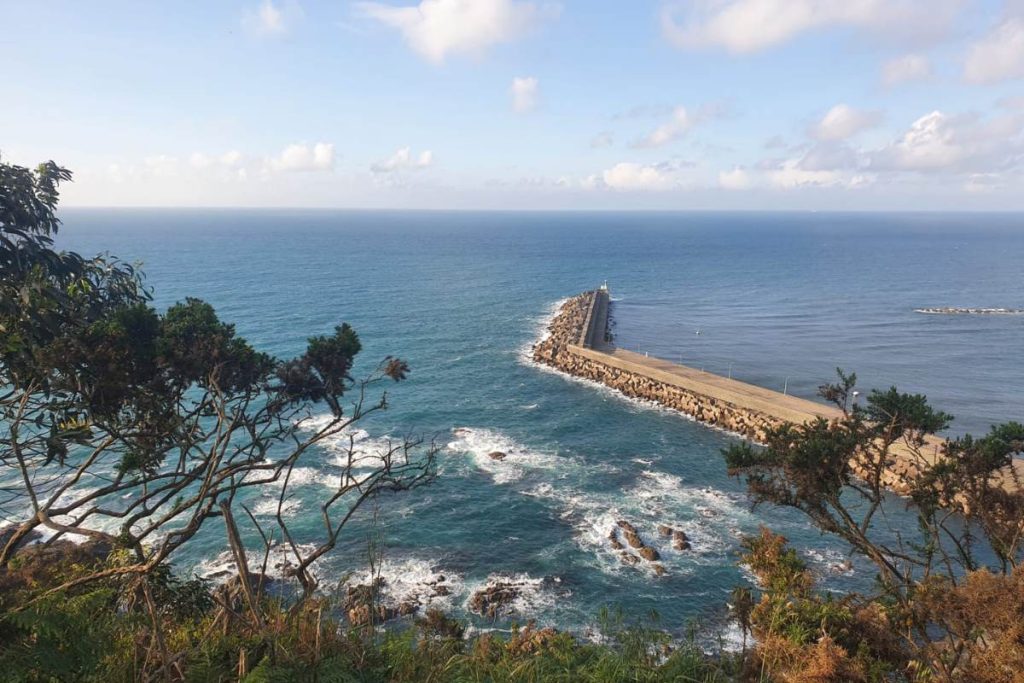
What if a stage of the Way started by crossing the Nalón by boat and continued among cliffs, forests and viewpoints over the Cantabrian Sea? We tell you how to do the Senda de los Miradores as a scenic variant towards Soto de Luiña, with distances, timetables and practical tips.
Accommodation for Rally Asturias 2026: the best base for drivers, teams and families
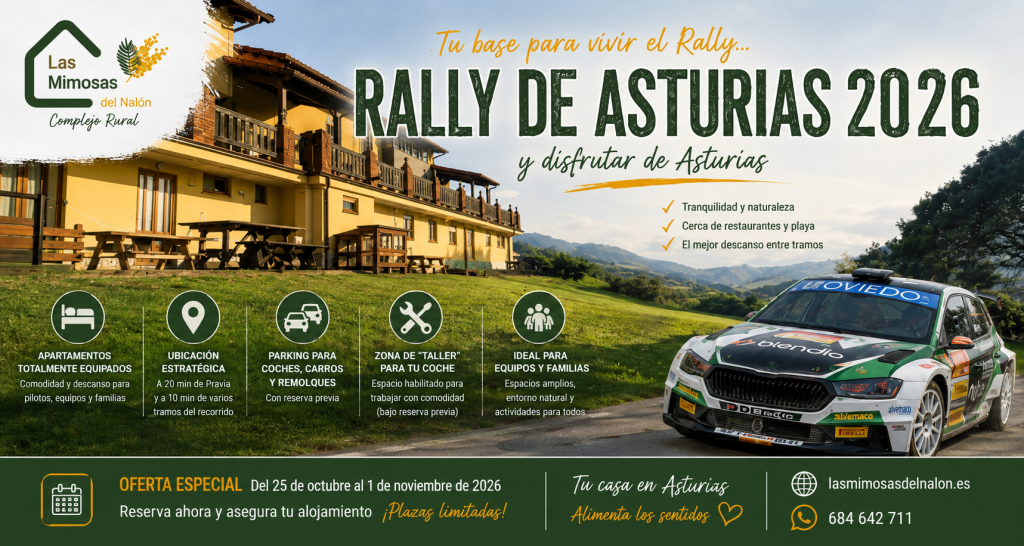
Every year, the Asturias Rally brings together hundreds of drivers, co-drivers, support teams, mechanics, family members and thousands of fans who come to Asturias to experience one of the most important events in Spanish motor racing. Once the day’s final stage is over, another equally important part of the event begins: getting a good night’s rest, preparing for the next day and enjoying time with the team or family. At Las Mimosas del Nalón, we’ve been welcoming guests seeking peace and quiet, comfort and a warm, friendly welcome for years. This year, we want to become the go-to accommodation for everyone taking part in or enjoying the 2026 Asturias Rally. Because we know that a great rally also starts with a good night’s rest. Your «Rally Base Camp» in Asturias We’re not just a stopover hotel. We’re a rural resort designed so that everyone can find the perfect balance between the intensity of the rally and the tranquillity offered by nature. Whilst the car rests, so do you. And that, after a day of competition, makes all the difference. A strategic location for following the Asturias Rally Las Mimosas del Nalón is situated in San Juan de la Arena (Soto del Barco), a prime spot for enjoying the Rally without sacrificing peace and quiet. 📍 Just 20 minutes from Pravia, the venue for the Asturias Rally. 📍 10 minutes from various points along the route, making it easy to access several stages comfortably without long journeys. 📍 Very well connected to the Cantabrian Motorway and Asturias Airport. When the day’s events are over, you’ll return to a peaceful setting, far from the hustle and bustle, where you can truly unwind and recharge your batteries. Fully equipped apartments for drivers, teams and families Every team has different needs. That’s why we offer apartments of varying sizes, ideal for couples, families or support teams alike. All of them feature a fully equipped kitchen, a living room, spacious bedrooms, heating, Wi-Fi and everything you need to enjoy a comfortable stay throughout the rally week. Parking for competition cars, support vehicles and trailers We know that logistics are essential. That’s why we offer, subject to prior booking, a parking area where you can conveniently leave: This way, you’ll have everything organised and ready for each day. Work area for your car Sometimes it’s necessary to check the vehicle, make minor adjustments or prepare the car for the next stage. Therefore, subject to prior booking, we can set up a dedicated area where you can work comfortably and safely. A service designed especially for drivers and teams looking for more than just accommodation. Wake up to views that invite you to unwind After a day full of adrenaline, swapping the roar of engines for the sound of birdsong and the fresh air of the Nalón Valley is a real privilege. From our gardens and many of our apartments, you’ll enjoy unobstructed views of the Asturian central coast. Here, relaxation isn’t just an added bonus. It’s part of the experience. Because we believe that Asturias is also best experienced in moments of calm. Breakfasts, lunches and dinners so that all you have to think about is the rally. During a rally, time is of the essence. That’s why, as well as accommodation, we offer the option to book breakfasts, lunches and dinners, tailoring our service to the needs of each group. If you’d prefer to set off early for the special stages or return at the end of the day without worrying about cooking, we’ll be delighted to help. We offer a bespoke menu for the occasion. And if you’d like to discover Asturian cuisine, you’ll find cider houses and restaurants nearby where you can enjoy the very best local produce. Accommodation where the whole family can enjoy themselves too Not everyone travelling to the Rally is focused on the stopwatch. Many accompany drivers and teams to enjoy a few days in Asturias as well. Whilst some follow the competition, others can relax in our gardens, stroll along Los Quebrantos Beach, explore San Juan de la Arena or visit iconic places such as Cudillero, Avilés or the Senda de los Miradores. Because the Rally can also turn into a proper holiday. Make the most of the Asturias Rural Tourism Voucher If you’re thinking of coming to the Rally, this is the perfect opportunity. Las Mimosas del Nalón is part of the Asturias Rural Tourism Voucher scheme, so you can save €75 per voucher on stays of at least two nights. Furthermore, for apartments accommodating four or more people, you can use two vouchers for the same booking, increasing the available discount. You can find all the details and how the scheme works on our page dedicated to the voucher: Asturias Rural Tourism Voucher at Las Mimosas del Nalón. It’s a great way to enjoy the Asturias Rally… and save on your accommodation. 📅 Stays from 25 October to 1 November 2026 We’ve put together a special rate for those booking the whole week – an ideal option to arrive at your leisure, follow every day of the Rally and make the most of exploring the central coast of Asturias. Get in touch with us and we’ll provide you with a personalised rate tailored to your needs. Book before availability runs out – the dates of the Asturias Rally are among the busiest weeks for accommodation. Whether you’re a driver, co-driver, team member, family member or simply a motorsport enthusiast, we recommend booking well in advance. At Las Mimosas del Nalón, we want you to have a place to rest once the day’s final stage is over, to share the experience with your team and to continue enjoying Asturias. Because we don’t just want to be the place where you sleep. We want to be your base for experiencing the Asturias Rally. Your home in Asturias, Las Mimosas del Nalón. Do you know what else you can do on the central coast of Asturias? Discover our recommendations here.
What to do on the central coast of Asturias: the guide we recommend to our guests
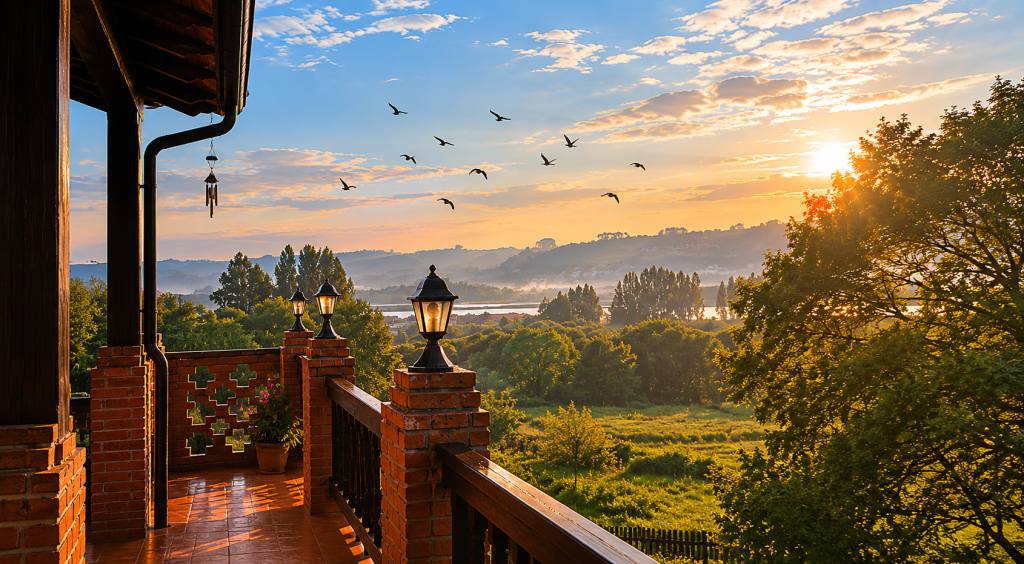
Discover the Asturias you can feel What to do on the central coast of Asturias: the guide we recommend to our guests Discover the Asturias you can feel When someone arrives at Las Mimosas del Nalón and asks us what to do during a few days in Asturias, we always give the same answer: Don’t try to see everything. Try to experience it. Asturias isn’t a destination for rushing from one place to another. It’s a place to stop, breathe, listen to the sea, stroll at a leisurely pace and savour those little moments that end up becoming the best memories of your trip. That’s why we’ve put together this guide based on the recommendations we share with our guests every week. A guide designed to help you discover: VIEW OUR WELCOME GUIDE ✅ Where to stay in Asturias✅ What to see on the central Asturian coast✅ What to do during your stay✅ Where to eat and enjoy the local cuisine✅ Our favourite spots in our region Welcome to the Asturias you can feel. Las Mimosas del Nalón: your starting point for discovering Asturias Located in San Juan de la Arena, next to the mouth of the River Nalón and just a few minutes’ drive from some of Asturias’ most spectacular spots, Las Mimosas del Nalón is much more than just a place to stay. We’re the perfect place to start exploring Asturias. Our location allows you to explore the central Asturian coast in comfort without having to travel far. In under 20 minutes you can visit: And at the end of the day, return to a peaceful spot where you can rest, unwind and continue to nourish your senses. Discover the central coast of Asturias from Las Mimosas del Nalón Before you start planning your trip, we invite you to explore the area surrounding our accommodation. From our gardens, you can gaze out over the mouth of the River Nalón, enjoy the tranquillity of the landscape and easily reach some of the most beautiful spots in Asturias. Video: this is what life in Asturias is like from Las Mimosas del Nalón A brief glimpse into the experience our guests enjoy when they discover the central coast of Asturias from Las Mimosas del Nalón. Las Mimosas del Nalón in 30 seconds What to see on the central coast of Asturias 1. San Juan de la Arena and Los Quebrantos Beach This is our home and one of Asturias’ best-kept secrets. Los Quebrantos Beach offers kilometres of sand, plenty of space for a stroll and a sense of tranquillity hard to find elsewhere. It’s perfect for a walk at sunrise, surfing or simply gazing out at the sea. Don’t miss 2. San Esteban de Pravia Just a few minutes away, you’ll find one of the most historic ports in Asturias. San Esteban de Pravia retains the charm of the old industrial ports and offers a pleasant stroll along the estuary. A must: Climb up to the Espíritu Santo viewpoint to enjoy one of the most spectacular views of the Asturian coastline. 3. The Senda de los Miradores If you ask us for a must-do route, this is probably it. The Senda de los Miradores connects beaches, forests and cliffs via a spectacular route along the Cantabrian coast. Each viewpoint offers a different perspective of the coast. Our tip: Take your time. Stop. Breathe. Listen to the sound of the waves. The experience is worth every minute. 4. Cudillero One of Spain’s most famous fishing villages. Its colourful houses, steep streets and fishing village atmosphere make it a must-visit. Things to do in Cudillero 5. Avilés Many visitors arrive without high expectations and end up falling in love with the place. Its historic centre is one of the best-preserved in northern Spain. Arcades, squares, cafés, culture and a wide range of culinary delights mean it’s always worth a visit. We recommend 6. Salinas If you love the sea, you’ll adore this place. Salinas combines a vast beach, a surfing culture, seaside walks and excellent cuisine. It’s a favourite destination for both travellers and locals alike. 7. Cabo Peñas The northernmost point of Asturias. A place where the sea and the cliffs showcase the full force of the Cantabrian Sea. The views from the lighthouse are simply spectacular. There are places you simply visit. And places you’ll never forget. Cabo Peñas is one of the latter. What to do during your holiday in Asturias Walk by the sea The central coast is full of accessible footpaths and routes with incredible views. Our favourites: Birdwatching at the mouth of the River Nalón The mouth of the River Nalón is one of the most interesting natural areas in Asturias for watching migratory birds. Depending on the time of year, you’ll be able to see: Discover the best beaches Very close to Las Mimosas del Nalón you’ll find some of our favourites: A different beach for every day of your holiday. Exploring Asturias without travelling hundreds of kilometres One of the great advantages of staying in San Juan de la Arena is that you can explore much of Asturias by taking short trips. More time enjoying yourself. Less time driving. Where to eat on the central coast of Asturias Food is a fundamental part of any trip. And Asturias is one of those places where eating well is almost inevitable. Casa Miguel One of the restaurants we most highly recommend to our guests. Particularly worth noting: Must-try flavours of Asturias If you visit Asturias, you can’t leave without trying: Our suggestion for a perfect weekend Day 1 Day 2 Day 3 Frequently asked questions about the central coast of Asturias Where to stay when visiting the central coast of Asturias? San Juan de la Arena is one of the best places to explore Asturias thanks to its proximity to Cudillero, Avilés, Salinas and Cabo Peñas. How many days do you need to explore the area? With three or four days, you’ll be able to enjoy the main attractions of the central Asturian coast. When is the best time to visit? Every season has its own charm. Spring and autumn offer peace and quiet and spectacular scenery, whilst summer is the perfect time to make the most of the beaches and outdoor activities.
RTVE highlights Las Mimosas del Nalón as an example of relaxation and nature in Asturias
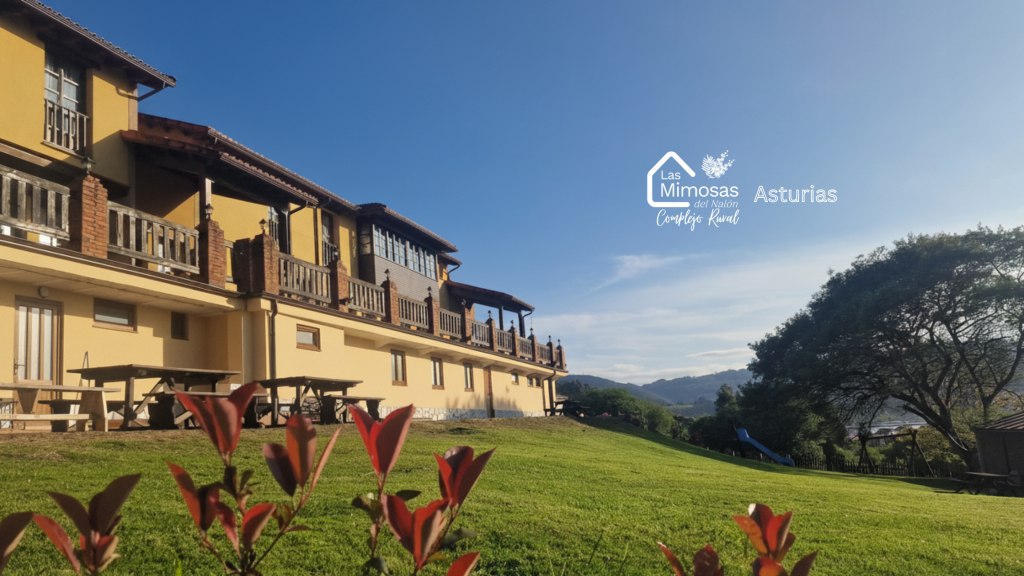
Las Mimosas del Nalón on RTVE: experiencing Asturias with all five senses – when the journey ceases to be a destination and becomes an experience. Las Mimosas del Nalón in 30 seconds RTVE highlights Las Mimosas del Nalón as a prime example of relaxation and nature in Asturias: There are places you visit. And there are places you experience. Recently, RTVE dedicated an episode of ‘En Clave Turismo’ to the central coast of Asturias, highlighting Las Mimosas del Nalón as one of the places to stay where nature, relaxation and hospitality set the pace of your stay. The recommendation comes from Ruralka, one of Spain’s leading providers of charming hotels and accommodation, which selects establishments where the experience goes far beyond a simple night’s stay. During the interview, we shared our approach to tourism: It’s not about filling your days. It’s about creating memories. It’s not about visiting Asturias. It’s about experiencing Asturias. Asturias is best enjoyed when you slow down. We live in an age where everything happens at a fast pace. That’s why more and more travellers are looking for something different: that is precisely what we strive to offer every day at Las Mimosas del Nalón. A place where nature isn’t just a backdrop. It’s part of the experience. Situated in San Juan de la Arena, at the mouth of the River Nalón, we enjoy one of the most stunning settings on the Asturian coast. A region where the sea, the estuary, footpaths and woodlands all lie just a few minutes apart. The perfect rural accommodation for your holidays and getaways in Asturias – the Asturias that still retains its authenticity. Many people come looking for beaches. Others come looking for charming villages. Some come for the hiking. Others simply seek rest and relaxation. What they discover is that here they can have it all. From Las Mimosas del Nalón, you can enjoy: And all this without long journeys or crowds. The real Asturias. The Asturias that still retains the flavour of simple things. Nourishing the Senses: our approach to hospitality During the interview, we talked about activities, nature and experiences. But if there’s one thing that truly defines Las Mimosas del Nalón, it’s hospitality. Because we believe that travelling isn’t just about finding a comfortable bed. It’s about feeling welcome. About receiving personalised recommendations. About discovering hidden gems that don’t appear in guidebooks. About arriving as a guest and leaving feeling right at home. That’s why our philosophy boils down to one simple idea: Nourish the Senses. Nourish the sight with sweeping views of the Cantabrian Sea. Nourish the ear with the sound of the waves and the birds. Nourish the sense of smell with the sea breeze. Nourish the taste buds with Asturian cuisine. And nourish the soul with the rest we so often forget to treat ourselves to. Recognition that drives us to keep improving. We’re proud to have been featured on RTVE and to be part of Ruralka’s selection of recommended accommodation. But above all, it’s confirmation that there’s another way to experience tourism. A more human way. A more unhurried way. A more authentic way. We’d like to thank RTVE and Ruralka for the opportunity to share our project and our vision of Asturias. And, especially, to everyone who has stayed at Las Mimosas del Nalón and helped us build this place. 🎧 Listen to our full interview on RTVE: https://www.rtve.es/play/audios/en-clave-turismo/descanso-naturaleza-costa-central-asturias/17122653 Fancy discovering the Asturias you can really feel? If you’re looking for endless beaches, seaside trails, nature, fine food and tranquillity, we invite you to discover the central Asturian coast from a privileged spot. Because you don’t just come here to sleep. You come to breathe. To switch off. To reconnect. To nourish your senses. Las Mimosas del Nalón, your home in Asturias. FAQ: Frequently asked questions about Las Mimosas del Nalón Where is Las Mimosas del Nalón? Las Mimosas del Nalón is situated in San Juan de la Arena, Asturias, next to the mouth of the River Nalón and very close to places such as Cudillero, Avilés, Cabo Peñas and Los Quebrantos Beach. What type of accommodation is it? A holiday complex comprising apartments and rural accommodation designed for couples, families and travellers seeking nature, tranquillity and authentic experiences in Asturias. Why has RTVE highlighted Las Mimosas del Nalón? Because of our approach, centred on relaxation, nature, hospitality and a connection with the Asturian region. What activities are available nearby? Hiking, birdwatching, beaches, local cuisine, coastal walks, visits to Cudillero, Avilés, Cabo Vidio and the Senda de los Miradores trail. We’re 40 minutes from all of Asturias, as we like to say. Oviedo and Gijón are 40 minutes away, and we’re 1 hour and 15 minutes from the entrance to the Picos de Europa (Cangas de Onís).
Lagos de Covadonga 2026: Everything you need to know before visiting
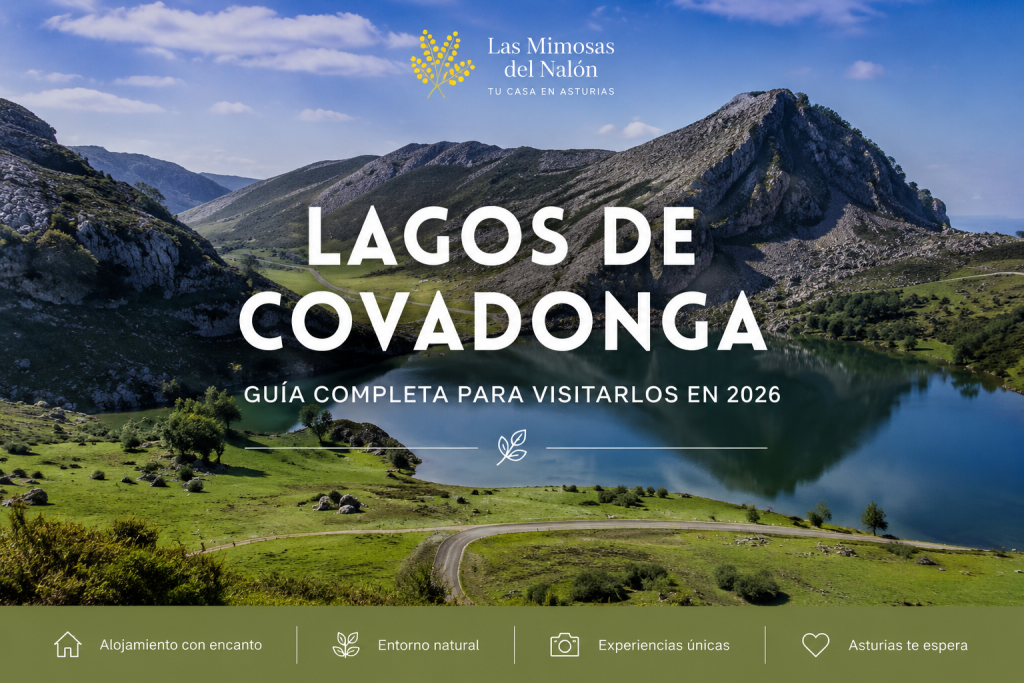
The Covadonga Lakes are probably one of the most iconic sights in Asturias. Lakes Enol and Ercina, surrounded by the mountains of the Picos de Europa, are one of those places you simply must visit at least once in your lifetime. From Las Mimosas del Nalón, many of our guests take a day out to explore this unique corner of the Principality, so we’ve put together this updated guide to help you organise your visit. Where are the Lakes of Covadonga? The Lakes of Covadonga are situated within the Picos de Europa National Park, in the municipality of Cangas de Onís. These are two glacial lakes, Enol and Ercina, situated at an altitude of over 1,000 metres and surrounded by some of the most spectacular landscapes in northern Spain. Before you arrive, be sure to pay a visit to the Virgin of Covadonga. The Virgin of Covadonga, affectionately known as La Santina, is one of Asturias’ most cherished symbols. Her image is housed in the Holy Cave of Covadonga, a place of great historical, spiritual and cultural significance, surrounded by nature and legend. Whether you’re a believer or not, a visit conveys a special sense of peace and connection with the history of Asturias. ✨ An unmissable stop before heading up to the Lakes of Covadonga and an experience best savoured at a leisurely pace. #AlimentaLosSentidos #TuCasaEnAsturias Most importantly: access is restricted for much of the year One of the most common misconceptions is that you can always drive up there. In fact, for much of the tourist season, access is restricted to protect the natural environment. During these restricted periods, the road between Covadonga and the Lakes is closed to private traffic, and access is via shuttle buses, authorised taxis or vehicles with special permits. *Source: Turismo Asturias How do you get up to the Lakes when there are restrictions? The most convenient option is to use the shuttle buses that depart from various designated points between Cangas de Onís and Covadonga. The ticket allows you to make stops along the route and also visit the Sanctuary of Covadonga. Tip from Las Mimosas del Nalón: If you’re travelling in summer, at Easter or during a long weekend, we recommend checking the dates of the restrictions and booking your tickets in advance. This will help you avoid queues and start your trip with much greater peace of mind. What to see once you’re up there Lake Enol This is the largest lake and the first one you’ll come across on arrival. Its views of the mountains are spectacular at any time of year. Lake Ercina Smaller and surrounded by meadows where cows and horses often graze, it offers some of the most famous views in Asturias. Entrelagos Viewpoint One of our favourites. From here you can see both lakes and take some of the best photographs of the park. Buferrera Mines An easy and highly recommended route to learn about the area’s mining history and enjoy stunning panoramic views. What to bring The weather in the Picos de Europa can change quickly, even in summer. We recommend: An important reminder The Lakes of Covadonga form part of a protected natural area of immense ecological value. The best way to enjoy it is to do so with respect: stay on the signposted paths, leave no litter behind and avoid any behaviour that disturbs the environment. Our suggestion for a perfect day trip from Las Mimosas del Nalón If you’re staying with us, we suggest: ✅ Set off early in the morning.✅ Visit the Sanctuary of Covadonga first.✅ Head up to the Lakes and explore the Buferrera area.✅ Have lunch in Cangas de Onís.✅ Return in the afternoon, taking in the scenery of eastern Asturias. It’s one of the most comprehensive day trips you can take during your holiday in Asturias. Useful information 📍 Distance from Las Mimosas del Nalón: approximately 1 hour and 30 minutes by car. 📍 Best time to visit: spring, summer and autumn. 📍 Level of difficulty: easy if you’re just visiting the main viewpoints; moderate if you decide to go hiking. The Lakes of Covadonga are one of those places that, on their own, explain why Asturias is known as a natural paradise. If you’re planning to visit them during your stay, we’d be delighted to help you plan your trip. Indulge your senses at Las Mimosas del Nalón, your home in Asturias.
San Juan de la Arena: history, seafaring tradition, and one of Asturias' most spectacular beaches
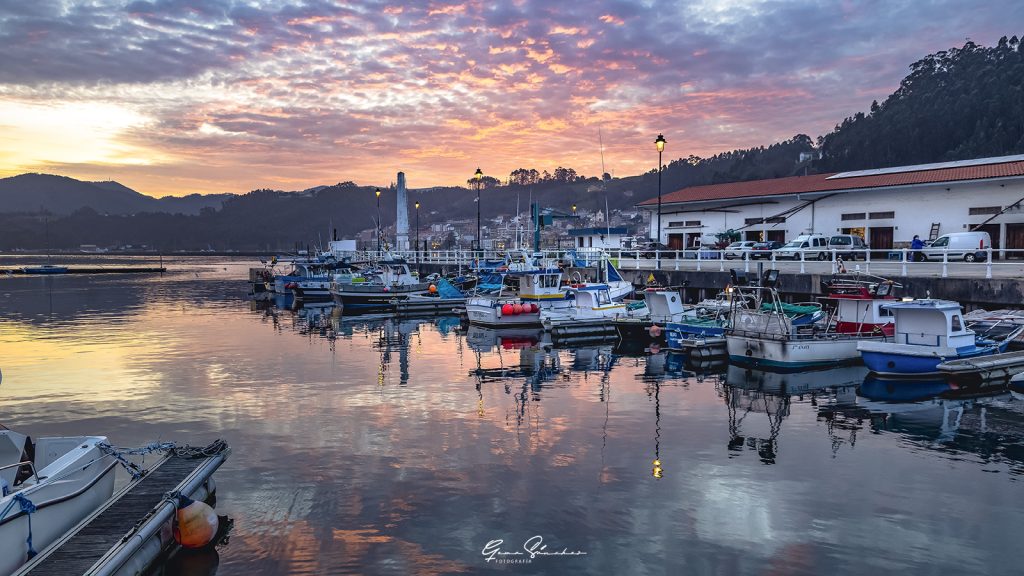
A village where the River Nalón meets the Cantabrian Sea. There are places that don’t need grand monuments to capture your heart. San Juan de la Arena is one of them. Situated at the mouth of the River Nalón, in the municipality of Soto del Barco, this small fishing village retains the essence of authentic Asturias: the sea, tradition, cuisine, tranquillity and nature. Here, the days begin with the sound of the waves, the movement of the fishing boats and the light of the Cantabrian Sea glinting off the damp sand of the beach. It is the perfect destination for those looking to discover Asturias at a leisurely pace, enjoying open landscapes, fine cuisine and hidden corners that still retain their identity. And it is precisely here that you’ll find Las Mimosas del Nalón, a place from which to enjoy everything this special corner of Asturias has to offer. A bit of history The history of San Juan de la Arena is closely linked to the River Nalón. For centuries, this estuary was a major hub for transport and trade in central Asturias. Fishermen found a natural haven here, and the harbour grew up around fishing and maritime activities. The seafaring tradition remains very much alive in its streets, its boats and its cuisine, where fish and seafood continue to take centre stage. A stroll around the harbour gives you a sense of how the sea has shaped the lives of entire generations of locals. What to see in San Juan de la Arena The fishing harbour One of the town’s most iconic spots. The boats, the nets and the comings and goings of the fishermen remain part of the everyday landscape. It’s particularly beautiful at sunrise and sunset, when the light completely transforms the surroundings. The seafront promenade Ideal for a stroll by the sea whilst taking in the view of the beach, the mouth of the River Nalón and the changing colours of the Cantabrian Sea. It’s one of those walks that invites you to pause and simply take it all in. In summer, we recommend the ice-cream parlour and a stroll around the harbour with one of their ice creams. They’re absolutely delicious! The lighthouse and the harbour mouth From the breakwater area, you can enjoy some of the best views of the village. On days when the sea is rough, it’s a spectacular sight to watch the waves crashing against the breakwater. The Deva viewpoint and the surrounding area Very close to San Juan de la Arena, you’ll find some of the best viewpoints in central Asturias, with stunning views over the coast and the Nalón valley. And above all, our own viewpoint 😉 from where we can see the whole of San Juan de la Arena, as well as our neighbours in San Estaban, with the mouth of the River Nalón in between. Los Quebrantos Beach: the great treasure of San Juan de la Arena If there’s one place that defines San Juan de la Arena, it’s Los Quebrantos Beach. Stretching for over three kilometres, it is one of the longest beaches in central Asturias. Its vast expanse allows you to enjoy long walks by the sea, even in high season. It is the perfect beach for: One of its greatest attractions is the sense of space and freedom it conveys. Here, the horizon seems endless. Playón de Bayas: a natural extension of Los Quebrantos Many people are unaware that Los Quebrantos flows naturally into another spectacular beach: Playón de Bayas. Together, they form one of the largest stretches of sandy beach in Asturias. Playón de Bayas is known for its wilder, more natural character, surrounded by dunes and protected areas. What’s more, it’s considered by many travellers to be the best beach in Asturias for enjoying with your dog all year round, thanks to its vast expanse and the freedom it offers for walking by the sea. For those travelling with a pet, it’s one of those places you’ll find hard to forget. And if you’re staying at Las Mimosas del Nalón, it’s just a few minutes away. Traditions and cuisine San Juan de la Arena keeps many traditions linked to the sea alive. During the summer, local festivals fill the streets with music, a lively atmosphere and traditional activities. The local cuisine is another of its great attractions: sitting by the harbour and savouring the local fare is one of the best ways to get to know the village. A place to discover Asturias from a different perspective San Juan de la Arena has something special about it. It’s not a destination for those in a hurry. It’s a place to stroll along the seafront, watch the sun rise, listen to the waves, sample the local cuisine and discover the real Asturias. And that’s precisely why those who visit tend to come back. Because here, it’s still possible to find that feeling which is becoming increasingly hard to come by: the feeling of being at home. Discover San Juan de la Arena from Las Mimosas del Nalón. Situated just a few minutes from Los Quebrantos Beach, Las Mimosas del Nalón is the perfect base for exploring this unique corner of Asturias, enjoying Playón de Bayas, touring the coast and enjoying authentic experiences by the sea. Indulge your senses in your home away from home in Asturias. Would you like to find out more about our apartments? www.lasmimosaselnalon.es
Avilés, Salinas and Cabo Peñas: a journey between history, sea and infinite horizons
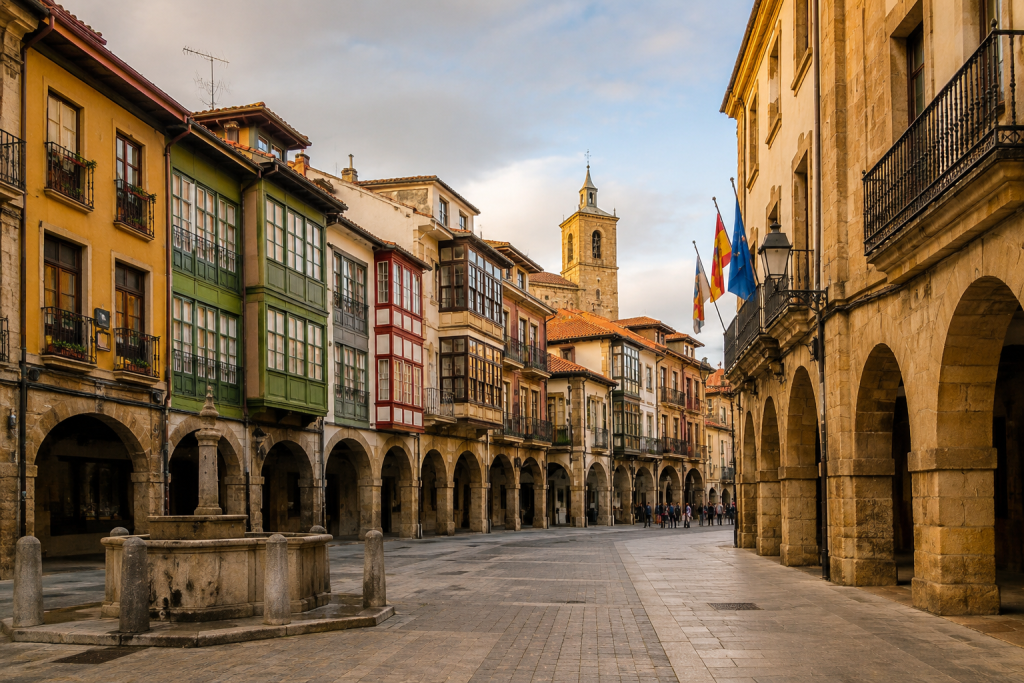
Discover three ways to experience Asturias in a single day. There are days in Asturias that smell of saltpetre, taste of cider and are brimming with stories. Days when we swap the footpaths for streets steeped in centuries of history, the mountains for bustling squares and the forests for cliffs that seem like the end of the world. From Las Mimosas del Nalón, one of the most comprehensive day trips is to explore Avilés, Salinas and Cabo Peñas. Three very different places which, together, capture the essence of central Asturias: culture, the sea and untamed nature. A perfect plan for those who want to discover another side of Asturias without straying too far from our accommodation. Recommended itinerary: Morning, Midday, Afternoon, End of the day. Return to Las Mimosas del Nalón to rest and reflect on the experience. Avilés: the city that surprises everyone. Many travellers arrive in Avilés without high expectations and leave having fallen in love with it. Its historic centre is one of the best-preserved in northern Spain. Arcaded streets, squares lined with terraces, stately buildings, churches and hidden corners that invite you to wander aimlessly. Here, centuries of history coexist with a surprising cultural vibrancy. As you stroll along Calle Galiana, the Plaza de España or Calle Rivero, you’ll discover a city that’s lively, authentic and elegant. And suddenly, the Niemeyer Centre comes into view. White, bright and futuristic. A space designed by the Brazilian architect Oscar Niemeyer that has become one of the cultural symbols of Asturias. A different kind of tip: If you’d like to learn about Avilés’s curiosities, legends and secrets before visiting, we recommend the videos by Asturian creator Ana Santos, who shares stories and little-known corners of the city via her social media. Thanks to her content, you’ll discover places that many visitors overlook. What to see in Avilés Must-see photos Salinas: where Asturias looks out to sea Just a few minutes from Avilés lies one of Asturias’ most iconic beaches. Salinas is all about light, surfing and the horizon. Its vast stretch of sand, its promenade and the relaxed atmosphere make it an unmissable stop. Here, everything invites you to slow down. Walk by the sea. Have a coffee with a view. Watch the surfers take on the waves. Or simply sit and listen to the Cantabrian Sea. It’s one of those places where Asturias shows its most open and luminous side. Things to do in Salinas Cabo Peñas: the northernmost point of Asturias If there’s one place capable of conveying the power of the Cantabrian Sea, it’s Cabo Peñas. Here, the cliffs rise above the sea and the horizon seems endless. The wind, the sound of the waves and the vastness of the landscape create a sensation that is hard to describe. It is no coincidence that it is one of the most photographed spots in Asturias. The Cabo Peñas Lighthouse marks the northernmost point of the Principality and offers some of the most breathtaking views along the entire Asturian coast. It’s the perfect place to round off the day. Take a deep breath. Gaze out at the horizon. And remember why Asturias leaves such a lasting impression. What to do at Cabo Peñas Three sides of Asturias in a single day This route allows you to discover three different ways of experiencing Asturias. The historical and cultural Asturias of Avilés. The laid-back, seaside Asturias of Salinas. And the wild, boundless Asturias of Cabo Peñas. Three different places united by a single essence. And after a day full of experiences, returning to Las Mimosas del Nalón means returning to calm, rest and the tranquillity of feeling at home. Nourish your senses. Discover the history. Listen to the sea. Breathe in the Cantabrian. And return to Las Mimosas del Nalón. 😉 www.lasmimosasdelnalon.es
Discover Asturias on foot: an adventure between history, nature, and sea
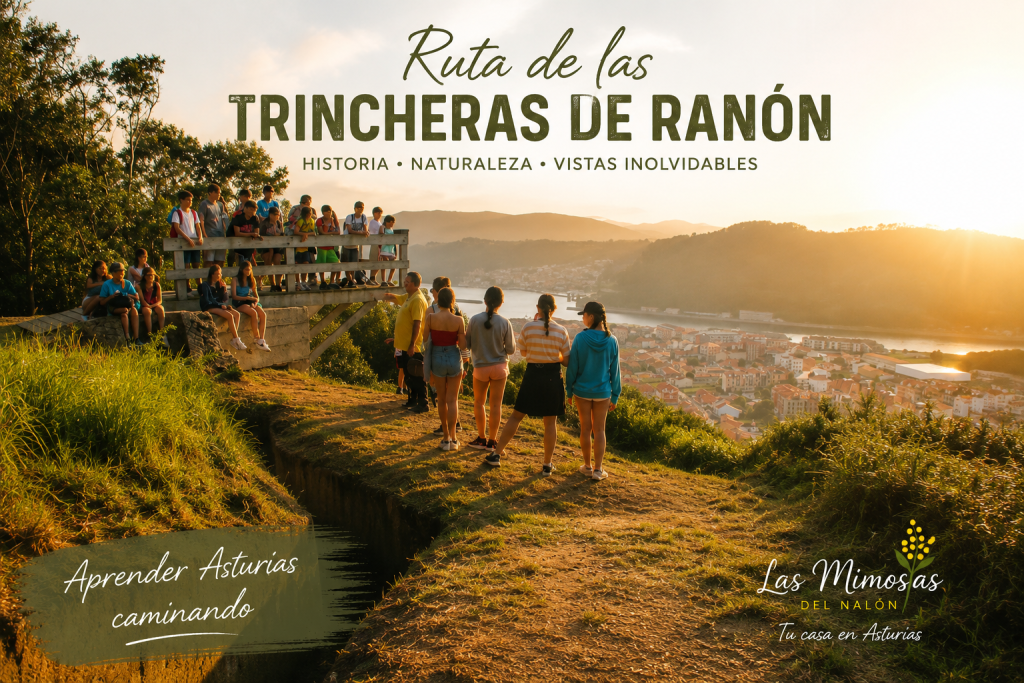
At Las Mimosas del Nalón, we believe that some of the best learning doesn’t take place in a classroom, but outdoors, discovering places that spark curiosity and help us better understand the world around us. We highly recommend this activity for families and young people: one of the most interesting and surprising routes in central Asturias, the Ranón Trench Trail. It is an experience that combines nature, history, heritage and some of the most spectacular views of the Asturian coast. An easy and accessible route that allows children and young people to learn about an important chapter in our history whilst enjoying the stunning surroundings of the mouth of the River Nalón, Los Quebrantos Beach and San Juan de la Arena. Our aim is not simply to walk. We want participants to observe, ask questions, imagine and discover. We want them to understand what life was like almost a century ago, to appreciate the importance of preserving our historical heritage, and to learn to see the landscape through different eyes. This activity is part of our approach to tourism and education: authentic experiences that fuel curiosity, encourage contact with nature and create memories that last long after returning home. Asturias is an extraordinary classroom. And at Las Mimosas del Nalón, we love sharing it with our visitors. VIEW ROUTE ON WIKILOC THE TRENCH ROUTE Below, we’ll tell you all about what we’ll discover during this exciting route through the Ranón Trenches. Hello explorers! Today we have a very special route. Not only are we going to walk through one of the most beautiful spots in the Soto del Barco district, but we’re also going to travel back in time to discover how soldiers lived almost 90 years ago. We’re at the Ranón Trenches, a place where history and nature come together in a surprising way. What are trenches? Trenches are ditches dug into the ground that soldiers used to protect themselves during wars. Imagine you have to keep watch over an important area without being seen. The trenches were used to hide, move more safely and defend a position. The ones we are going to visit were built during the Spanish Civil War, between 1936 and 1937. Why were they built here? Look around you. Can you see the mouth of the River Nalón? Can you see San Juan de la Arena and Los Quebrantos Beach? From this spot, you can see a large part of the Asturian coast. That is why it was such an important strategic point. The soldiers could keep watch over anyone approaching by sea or land and sound the alarm if there was any danger. The soldiers’ lives Now let’s imagine what it was like to be here many years ago. There were no mobile phones. There was no internet. There were no video games. The soldiers spent many hours on watch, even at night. They had to endure rain, wind and cold, something we in Asturias know all too well. They often slept in dug-out shelters or in small concrete bunkers that we can still see today. If you look closely, some of the remaining structures are genuine witnesses to that era. The secret bunkers Along the route we’ll come across several bunkers. The bunkers were small concrete structures designed to protect the soldiers. They had narrow openings to observe the outside and defend the area without exposing themselves too much. You can imagine them as little fortresses hidden amongst the vegetation. The great viewpoint Now comes one of the best parts of the route. Let’s head towards the viewpoint. From here we can see: 🌊 Los Quebrantos Beach. 🏘️ San Juan de la Arena. 🚢 The mouth of the River Nalón. 🌿 The woods and meadows surrounding the whole area. As you take in the landscape, think about something interesting: the very spot we’re using today to enjoy the views was chosen many years ago because it offered a view of miles and miles of coastline. A challenge for true explorers As we walk, try to find: ✅ A trench. ✅ A fort. ✅ A spot where you can see the sea. ✅ A seabird. ✅ A plant or flower you don’t recognise. The natural surroundings of the trenches are just as fascinating as the history itself. The most important thing about this visit The trenches remind us of a difficult period in Spain’s history. Today, they are no longer used for war. They are used to learn. To remember. And to understand that places can have many stories to tell. That is why it is important to look after and respect them. What will you take away from this adventure? A walk through woods and along cliffs. A journey into the past. Spectacular views of the Cantabrian Sea. And the chance to discover that history isn’t just in books… it’s also right under our feet. Now look up, breathe in the sea air and enjoy the scenery. Because few routes combine adventure, nature and history as well as the Ranón Trenches. 🌿🌊🏰😊