

Hello!
One of our favourite routes.
It is circular and you can make it longer or shorter. Starting and finishing always at home 😉 Las Mimosas del Nalón.
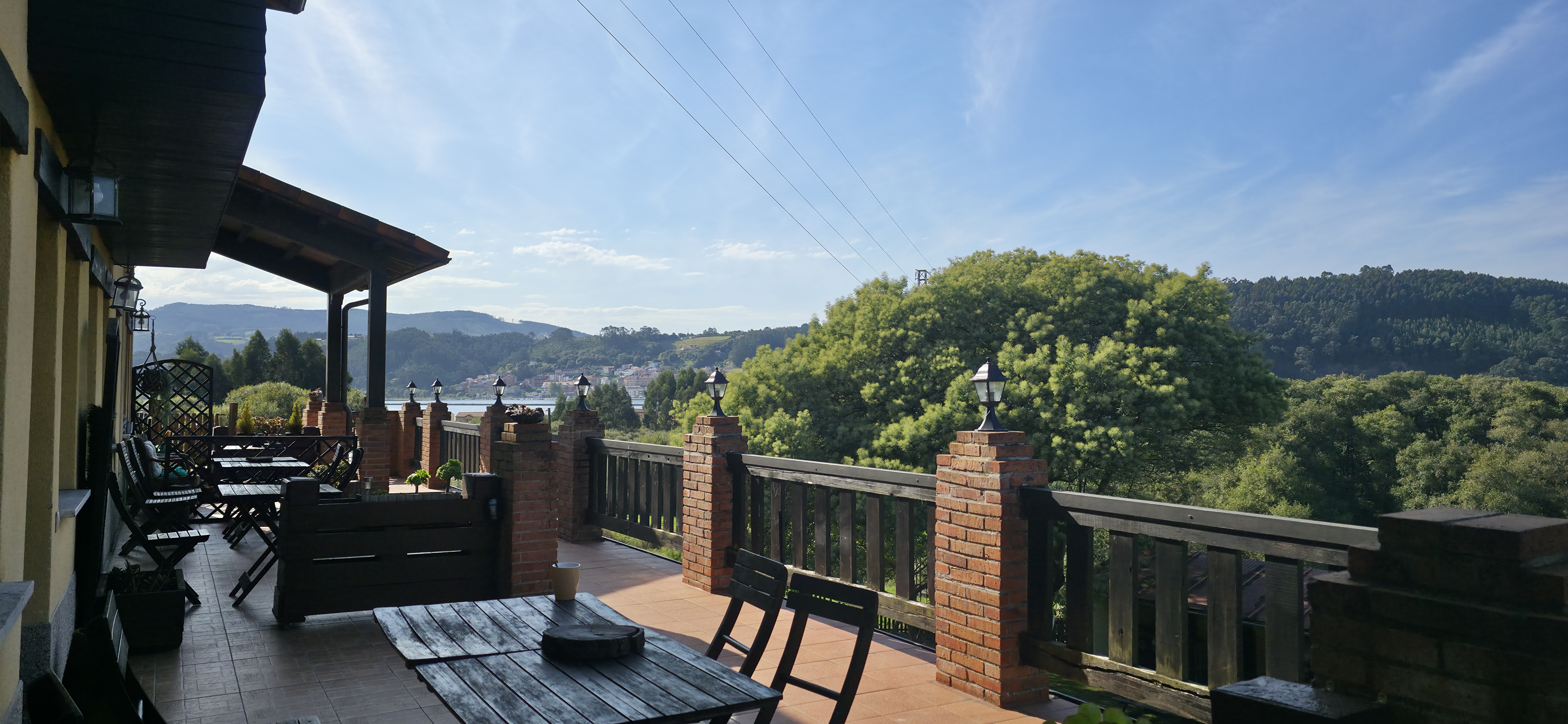
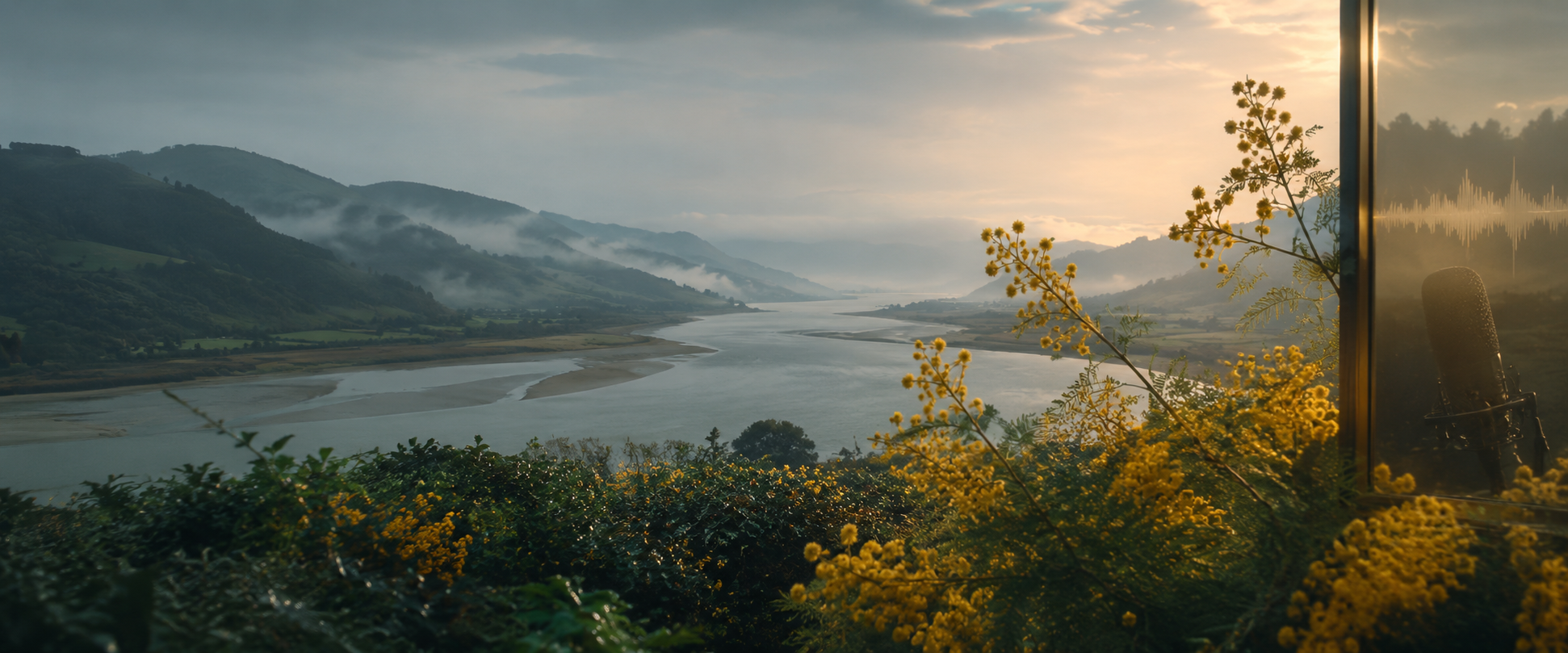
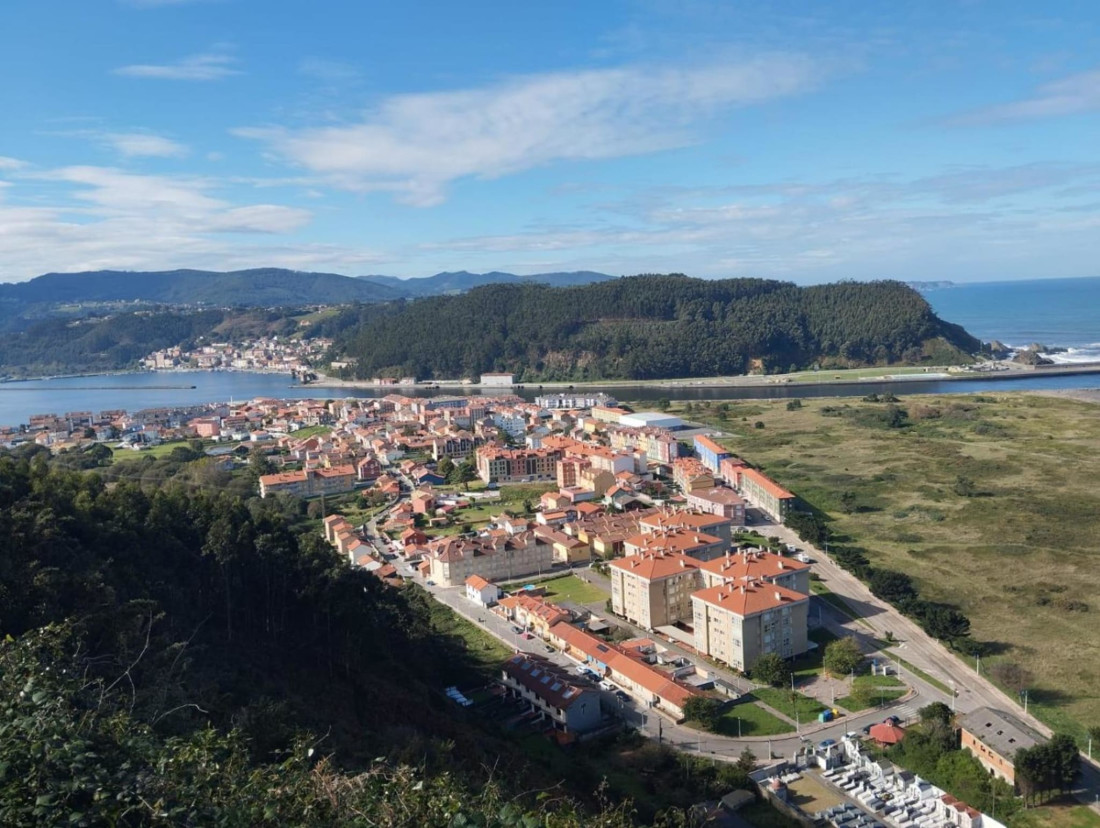
It is a route between eucalyptus forests and the beach of Los Quebrantos, The route takes us to the spectacular viewpoint of Ranon with views of San Juan de la Arena and Playa de los Quebrantos.
We recommend the route with 2 options:
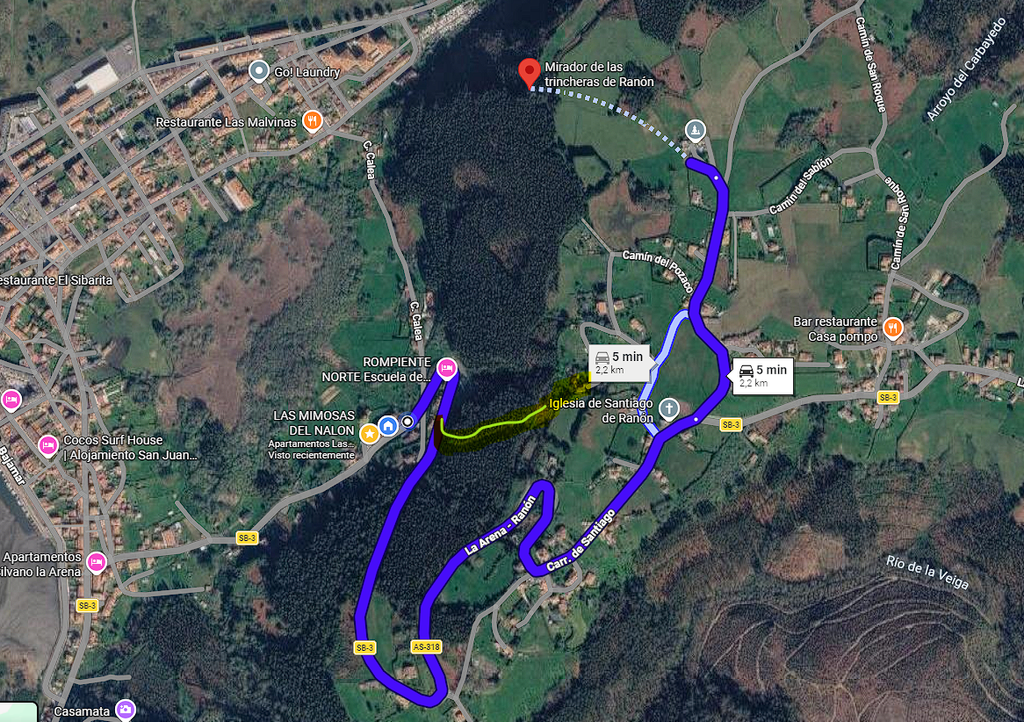
Option 1: departure on foot from our accommodation
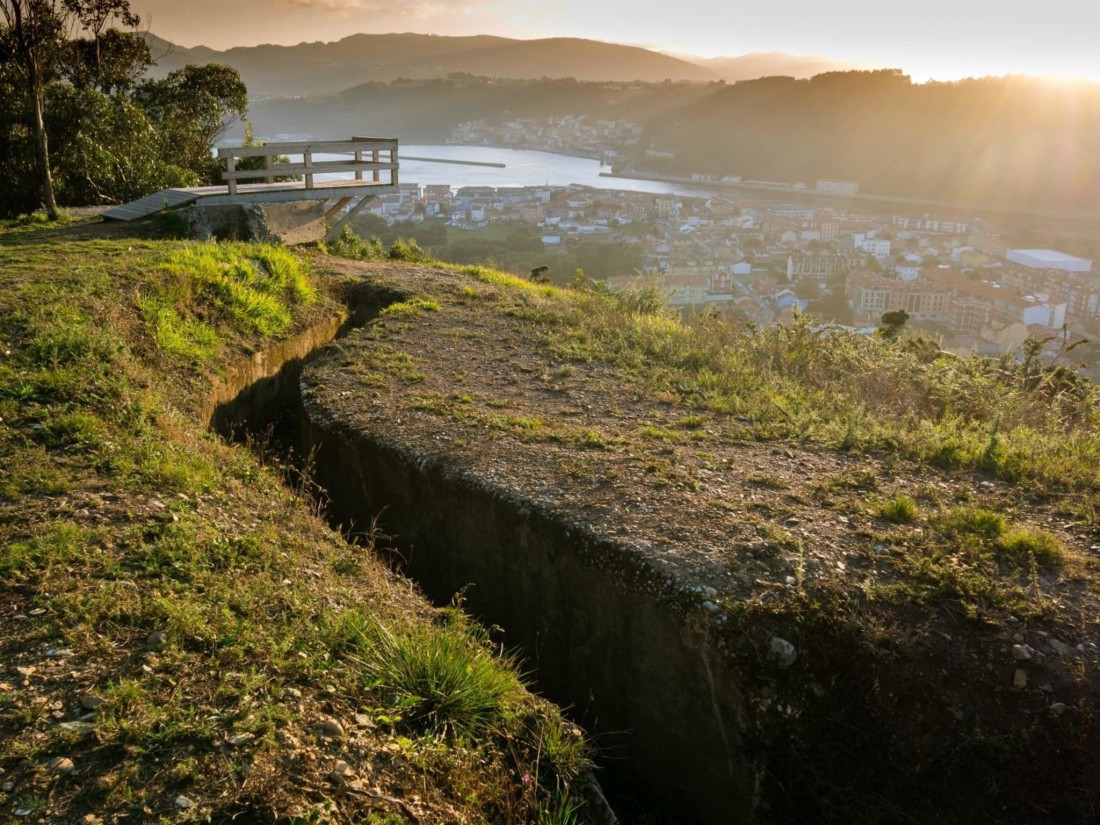
As you go up the road, at 200m, after the first bend you enter the eucalyptus forest path (you must go past the red house and you will find the path, uphill). There is a steep but manageable ramp that takes you directly to the trenches. You can't miss it. They are trenches from the Spanish Civil War.
After seeing the trenches, you can imagine how they got there for months, you can enjoy the views from the viewpoint. Spectacular views of the village of San Juan de la Arena and the beach. From the viewpoint, you can choose to go down to the beach, which you access by a path, some stretches of which it is advisable to go down carefully, and you will arrive at the cemetery of San Juan de la Arena, then to the beach and when you wish, back home by the ascent to La Calea.
- Duration: 1h plus the time you want to enjoy the viewpoint and the beach.
- Difficulty: go down (but you must take the climb slowly)
Option 2: You drive up to Ranon
You drive up to Ranon, leaving it in the area of the Church, from where you start the route on foot, passing by typical Indian houses and adorned with the famous Asturian Hydrangeas, a path of blue and pink colours that make for a very pleasant walk towards the trenches.
From the viewpoint, you can decide to go down to the beach or continue the path back to Ranon, especially if you have driven up 😉.
- Duration: 1h plus the time you want to enjoy the viewpoint and the beach.
- Difficulty: low
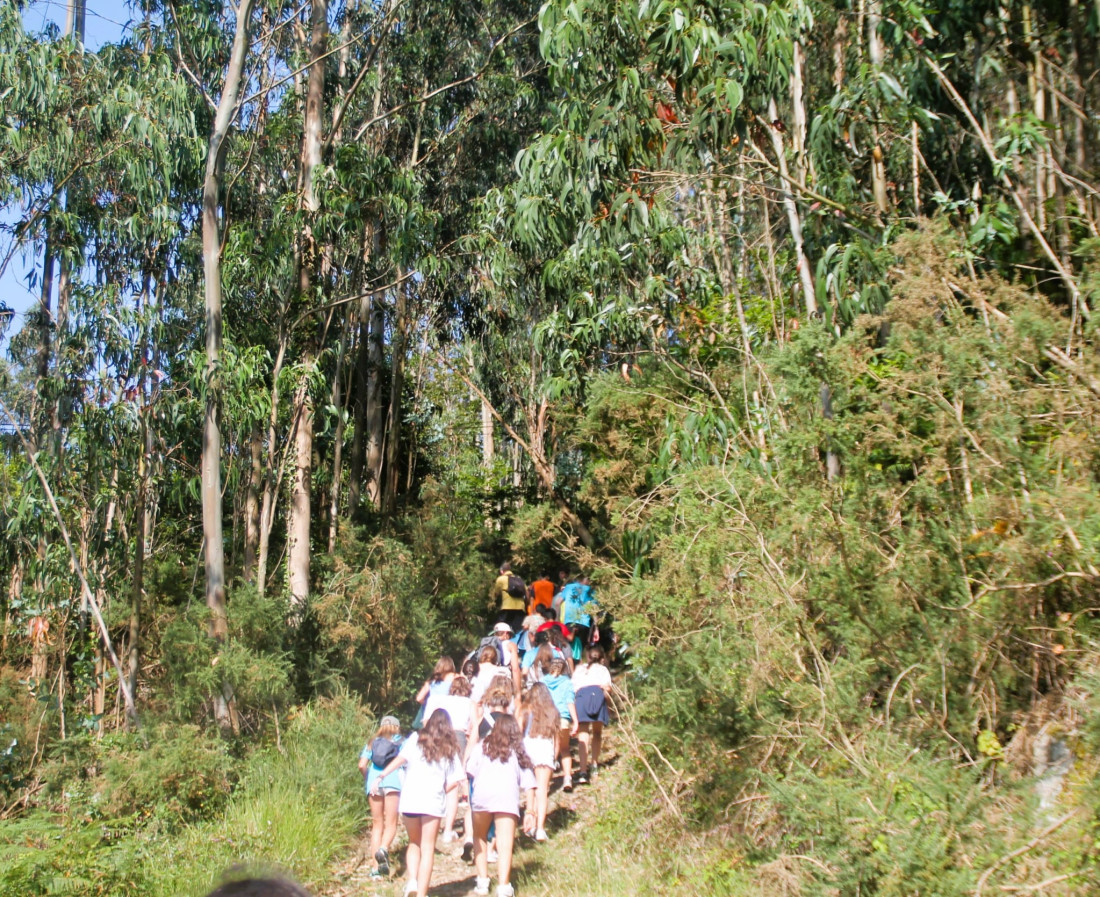
I am sure you will be amazed by the views, the scenery and the adventure through the eucalyptus forests.
A hug,
Carlos
Additional information on trenches
«In this area of Asturias, the dividing line between the rebels and the Republicans was marked by the River Nalón. When the war began, the Republicans surrounded the capital, Oviedo, to prevent the rebels from joining forces with the Galician Columns which, in September 1936, had already taken the council of Pravia.
The Nalón Front defended the Pasillo de Grado (Historical Area of the Nalón Front). On the coast, next to the black mouth of the river, the Avilés Front did so. The Republicans fought for fifteen months to prevent Franco's army from controlling the whole territory.
All that remains of this terrible - and regrettable - chapter in Spain's history is the memory of our elders and the scene of their experiences. A heritage forged in blood that deserves to be preserved and known, as Santayana said: “He who forgets his history is condemned to repeat it”.»