

Cape Busto Trail Route
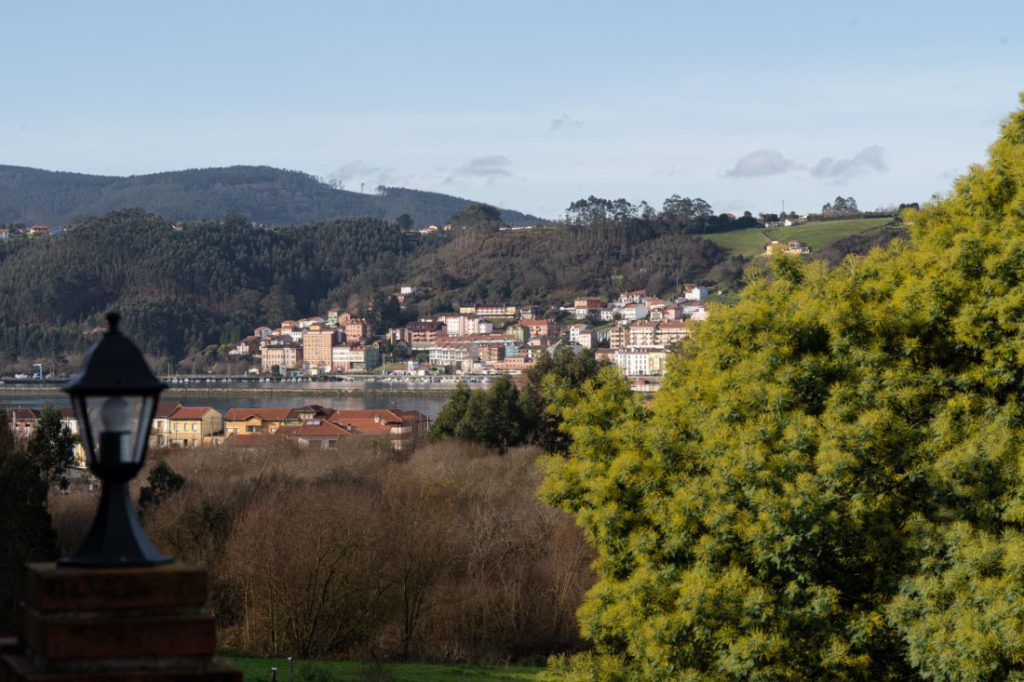
One of the routes we recommend is the CABO BUSTO PATH A walk along the cliffs of western Asturias The Cabo Busto Path is one of those little-known natural gems that those who discover it will fall in love with. Located in the council of Valdés, a few kilometres from the pretty fishing village of Luarca, this circular route runs through the surroundings of the small rural town of Busto, offering a scenic route over the Cantabrian Sea, between green meadows, forests and vertiginous cliffs. With a length of about 7 kilometres and low difficulty, it is a path suitable for everyone, ideal for a quiet walk with the family, as a couple or on your own. The route is well signposted and starts from the village of Busto itself, where you can easily leave your car. From there, the path heads northwards, first entering a shady stretch of woodland and later opening out onto the coastal fields typical of this area of western Asturias. One of the main attractions of the route is the succession of natural viewpoints overlooking the cliffs. Among them is the Cabo Busto viewpoint, an elevated platform with sweeping views over the Cantabrian Sea and the steep walls that fall into the ocean. From this point, on clear days, you can make out Cape Vidio to the east and, to the west, the coastline leading to Luarca. The route The route also passes by the Busto lighthouse, a sober white construction that contrasts with the deep blue of the sea. Although the lighthouse cannot be visited from the inside, its surroundings are one of the most photogenic spots on the route. The cliffs that surround it are more than 80 metres high and in spring and summer they are usually covered with wild flowers, making the walk a true natural spectacle. In addition to the scenery, the ecological and geological value of the area is remarkable. Seabirds such as cormorants, gulls and gannets can be seen, and with a bit of luck, even cetaceans in the distance. There are also interpretative panels explaining the formation of the cliffs, the autochthonous vegetation and some anecdotes about the seafaring life of the area. The Senda del Cabo Busto is a perfect example of the balance between nature, tranquillity and scenic beauty. Without crowds or invasive urban developments, this corner allows you to experience the most authentic and wild Asturias, at a leisurely pace and with the sound of the sea as a backdrop. 📍 Location: Western Asturias SEE ROUTE DESCRIPTION And after the route, your well-deserved rest in Las Mimosas del Nalón 😉 If you still don't have a reservation, talk to us to book your personalised accommodation on +34 657 952 969
Route of the Viewpoints: a walk among cliffs, viewpoints and a boat trip along the Nalón estuary.
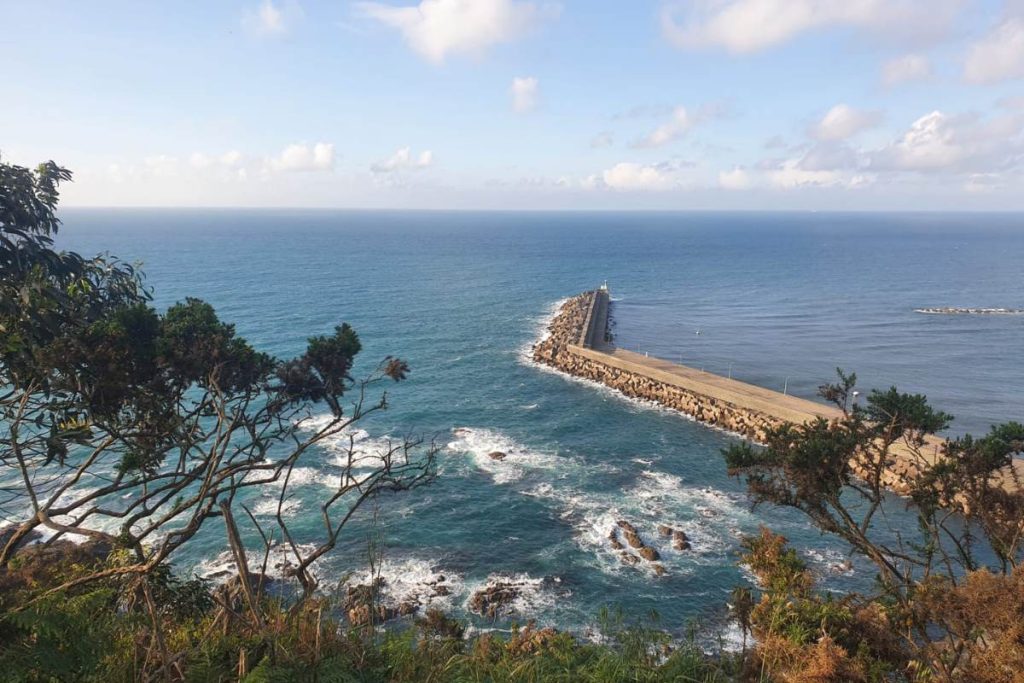
One of the routes you should not miss is the Ruta de Los Miradores. Imagine waking up in Las Mimosas del Nalón, your home in Asturias, opening the window and feeling the fresh air of the Cantabrian Sea. The day promises adventure, because just a few minutes away awaits one of the most spectacular routes of the Asturian coast: the Ruta de los Miradores. This path, also known as the Coastal Path of Muros de Nalón, is much more than a stroll: it is a sensory journey. Each step along its cliffs offers a new scenery - the sea crashing against the rocks, the intense green of the forests and the tranquillity that only Asturias can offer. The route starts in San Esteban de Pravia, very close to our accommodation, and unfolds like a natural walkway towards some of the most photogenic corners of the coast. The path borders wild coves such as Conciquina, Xan-Xún or Las Llanas, and ends at the well-known Playa del Aguilar, an ideal place to rest after the walk. We recommend you go down to Las LLanas beach, the access is not easy, with a steep descent, but it is worth swimming in its crystal clear waters 😉 The complete route is about 4 km (one way), easy to walk in about two hours. Ideal for families, couples or any traveller who wants to enjoy a different plan during their holidays in Asturias. A charming alternative: crossing the estuary by boat. However, if you want to add a special touch to your experience, you have another unforgettable option: travelling part of the route by boat. In summer, from July to September, La Carmela, a traditional boat that connects San Juan de la Arena with San Esteban de Pravia, operates. It is a unique way of crossing the Nalón estuary and starting your route from the sea, enjoying views that few travellers get to see. In addition to the direct routes, La Carmela offers guided tours along the estuary, lasting approximately 50 minutes, during which you will discover historical gems such as the Castle of San Martín or the Palace of La Magdalena. Tips for making the most of the Viewpoint Route Wear comfortable shoes and take water with you, especially in summer. If you are travelling in high season, check the boat timetables in advance. Make the most of the complete plan: walking route, beach at the Aguilar and boat trip along the estuary. Where to stay: Las Mimosas del Nalón, your home in Asturias After a day of walking and the sea, there's nothing better than resting in a place that feels like home. In Las Mimosas del Nalón you will find tourist flats in San Juan de la Arena, just a few steps from Los Quebrantos beach and a few minutes from the Ruta de los Miradores. Here you will not only have comfort and tranquillity, we also offer you the proximity of an accommodation designed for you to really enjoy your holidays. Book your stay and discover why those who visit us return with the memory of an experience that nourishes all the senses. Las Mimosas del Nalón, your home in Asturias. 📞 Contact telephone: +34 657 952 969 📩 Email: carlos@lasmimosasdelnalon.es
The Trench Route, Asturias
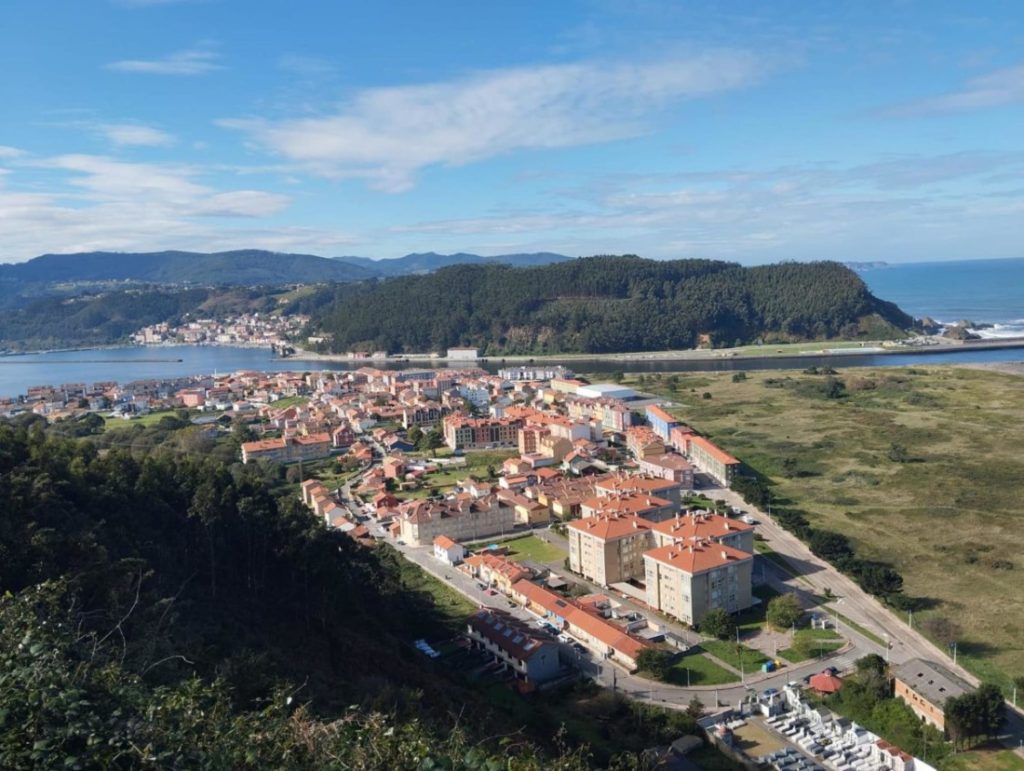
Hello! One of our favourite routes. It is circular and you can make it longer or shorter. Starting and finishing always at home 😉 Las Mimosas del Nalón. It is a route between eucalyptus forests and the beach of Los Quebrantos, which takes us through the spectacular viewpoint of Ranon with views of San Juan de la Arena and the beach of Los Quebrantos. We recommend the route with 2 options: Option 1: walking from our accommodation Going up the road, after 200 m, after passing the first curve you enter the path of the eucalyptus forest. There is a steep ramp that leads you straight to the trenches. These are trenches from the Spanish Civil War. After seeing the trenches, you can imagine how they got there for months, you can enjoy the views from the viewpoint. Spectacular views of the village of San Juan de la Arena and the beach. From the viewpoint, you can choose to go down to the beach, which you access by a path, some stretches of which it is advisable to go down carefully, and you will arrive at the cemetery of San Juan de la Arena, then to the beach and when you wish, back home by the ascent of La Calea. Option 2: Drive up to Ranon You drive up to Ranon, leaving it in the area of the church, from where you start the route on foot, passing by typical Indian houses and adorned with the famous Asturian Hydrangeas, a path of blue and pink colours that makes for a very pleasant walk towards the trenches. From the viewpoint, you can decide to go down to the beach or continue the path back to Ranon, especially if you have come up by car 😉 I am sure you will be amazed by the views, the landscape and the adventure through the eucalyptus forests. A big hug, Carlos Complementary information about the trenches «In this area of Asturias the division between the rebels and the Republicans was marked by the river Nalón. When the war began, the Republicans surrounded the capital, Oviedo, to prevent the rebels from joining forces with the Galician Columns which, in September 1936, had already taken the council of Pravia. The Nalón Front defended the Grado Corridor (Historical Area of the Nalón Front). On the coast, next to the black mouth of the river, the Avilés Front did the same. The Republicans fought for fifteen months to prevent Franco's army from controlling the whole territory. All that remains of this terrible - and regrettable - chapter in Spanish history is the memory of our elders and the scene of their experiences. A heritage forged in blood that deserves to be preserved and known, because, as Santayana said: “He who forgets his history is condemned to repeat it”.»